Blog
Practical writing on LLM application architecture, model routing, cost optimization, and operating AI systems in production.
Latest posts
8 min read
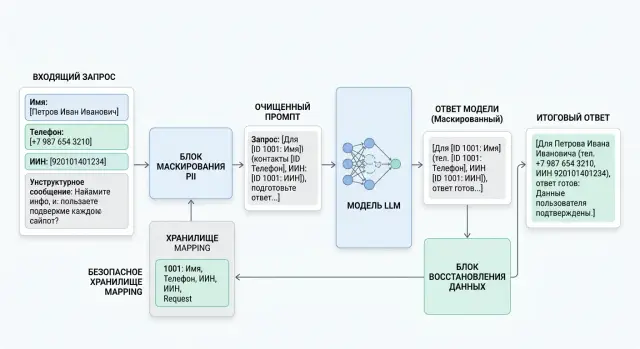
PII masking before calling the model: where and how to do it
PII masking helps hide personal data before sending a request to an LLM. We show where to place redaction, how to measure meaning loss, and how to safely return fields.
PII maskingpersonal data redaction

8 min read
When to Stop an AI Agent in Finance, Healthcare, and Law
When to stop an AI agent: we look at risk signals in finance, healthcare, and law, and show where the agent should hand the task to a person.
when to stop an AI agenthandoff to a human
8 min read
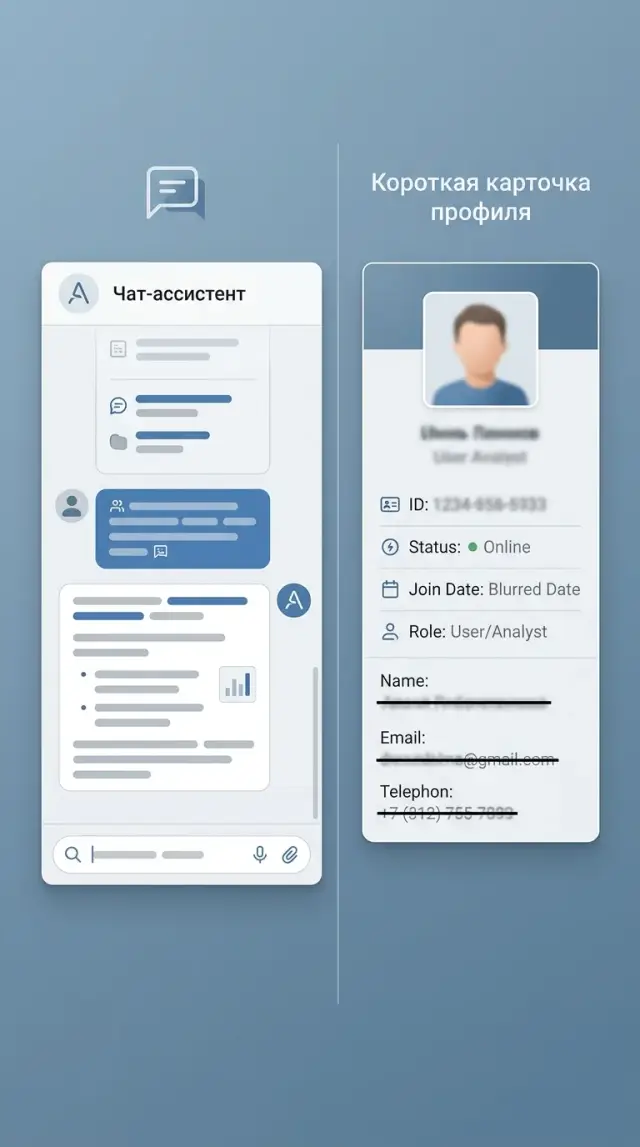
Assistant Personalization Without Extra Profile or Risk
Assistant personalization works better when you store only the signals that change the answer: role, language, request goal, and fresh context.
assistant personalizationdata minimization

8 min read
How to Calculate an LLM Budget for Multiple Teams
We’ll show how to break an LLM budget down by team, limits, and use cases so costs don’t grow after the pilot and the move to production.
LLM budgetLLM costs
8 min read
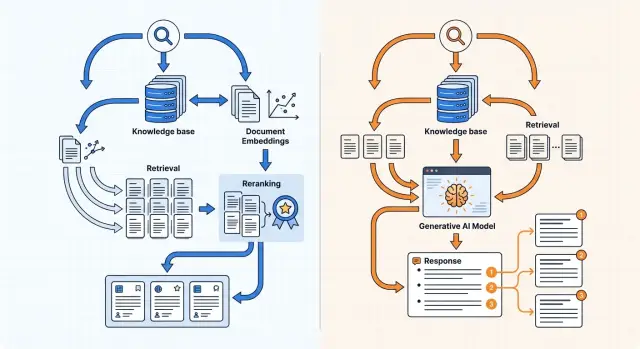
Knowledge Base Search: Embeddings or a Generative Model?
Knowledge base search can be built with embeddings or a generative model. Here we cover indexing, reranking, and answers with citations.
knowledge base searchembeddings
8 min read
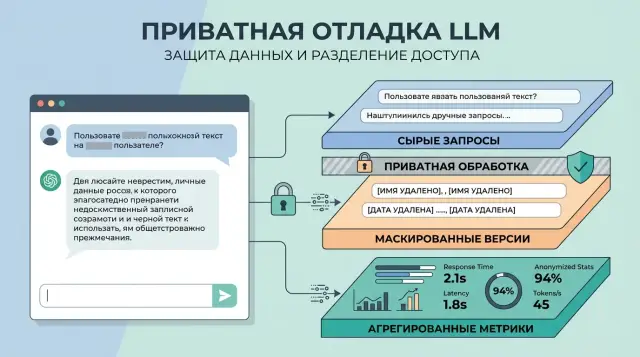
What to Store for Prompt Debugging Without Privacy Risk
What to store for prompt debugging: how to separate raw requests, masked copies, and metrics without exposing personal data.
what to store for prompt debuggingdata masking in LLMs

8 min read
Token Usage Forecasting: How to Spot Overspending in Time
Token usage forecasting helps you spot overspending early, set thresholds, catch model spikes, and avoid waiting for the invoice at month-end.
token usage forecastLLM usage anomalies

8 min read
SLOs for LLM Applications: How to Measure Against Business Goals
SLOs for LLM applications help connect latency, valid response share, and cost to business expectations, not to charts made for reporting.
SLOs for LLM applicationsLLM latency and quality

8 min read
Contact center call summarization without noise
Call summarization helps only when the call card shows the topic, outcome, risk, and next step without extra fields.
contact center call summarizationcall card for supervisors

8 min read
Source-based fact checking: how to build a test suite
Source-based fact checking helps you build tests where the answer is compared against a document, table, or database. We’ll cover the test suite structure, common mistakes, and a checklist.
source-based fact checkingautomated test suite
8 min read
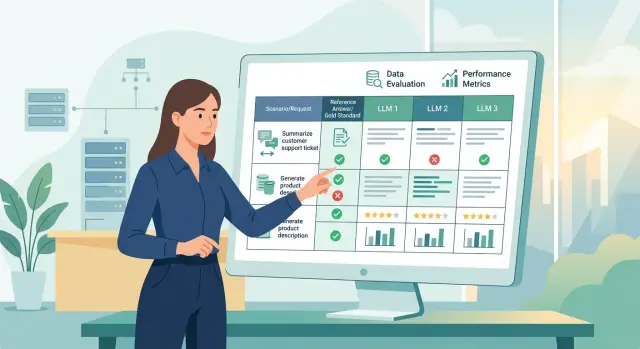
Model Evaluation on Your Own Data for Product Use Cases
Evaluating models on your own data helps you choose the right LLM for product tasks: how to collect scenarios, gold answers, and metrics, and compare responses fairly.
model evaluation on your own datauser task scenarios

8 min read
Red Teaming a Corporate Bot Before Launch
Red teaming a corporate bot helps uncover data leaks, instruction bypasses, and toxic replies before release so you can fix them step by step.
red teaming a corporate botLLM data leak attacks

8 min read
Deleting Data at a Provider: What to Ask Before Buying
Data deletion at a provider should not be checked by word of mouth. Before buying, ask for contract clauses, logs, cleanup timelines, and the audit process.
data deletion at a providerdata storage review

8 min read
When Fine-Tuning Pays for Itself, and Prompting No Longer Does
When fine-tuning pays off: we look at signs that a prompt has reached its limit, which tasks benefit most, how to estimate ROI, and common mistakes before launch.
when fine-tuning pays for itselfwhen a prompt hits its limit
8 min read
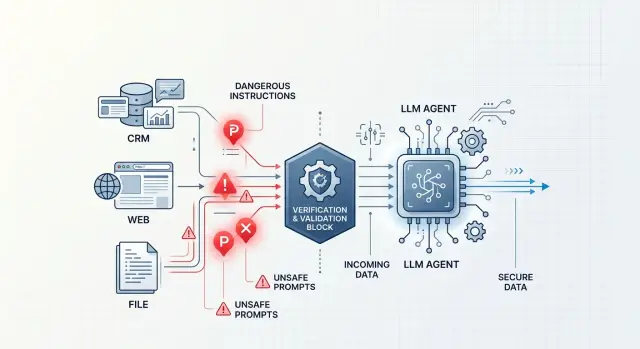
Tool-Output Injection: How to Protect an Agent
Tool-output injection often hides in CRMs, emails, and HTML. Learn how to filter data, isolate tools, and add checks.
tool-output injectionLLM agent protection

8 min read
AI-Powered Review of Credit and Legal Documents
AI-powered review of credit and legal documents helps you spot risky clauses faster, but the final decision on the case still belongs to a specialist.
credit and legal document reviewAI for contract review
8 min read
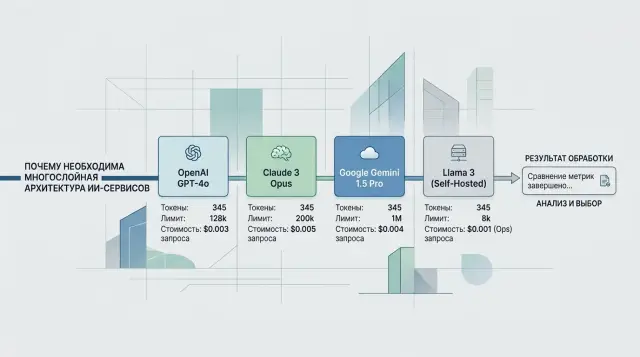
Different tokenizers across providers: why the numbers don't match
Different tokenizers across providers change price, limits, and the real context length. Let's look at where the calculations diverge and how to check them in advance.
different tokenizers across providersLLM token counting

8 min read
LLM regressions: how to catch hidden drift before complaints
LLM regressions are not always obvious right away. Here we break down daily runs, alerts, control cases, and the checks to do before users complain.
LLM regressionsLLM control cases
8 min read
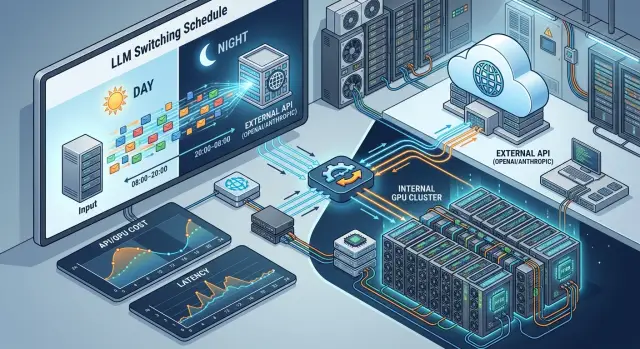
Scheduled switching between hosted and self-hosted models
Switching between hosted and self-hosted models can reduce cost and latency if you separate use cases by time of day, data sensitivity, and load spikes.
switching between hosted and self-hosted modelsexternal LLM API

8 min read
Patient consent for LLMs in a clinic: what to record
We explain how to document patient consent for LLM use in a clinic: what to record before summarization, triage, and chart-based answers.
patient consent for LLMs in a clinicclinic triage
8 min read
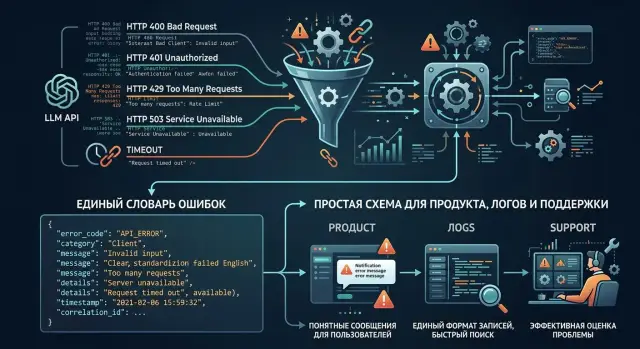
Normalizing LLM API Error Codes for Product and Support
Error code normalization for LLM APIs helps reduce timeouts, limits, and bad requests into one dictionary for product, logs, and support.
LLM API error code normalizationunified error dictionary
8 min read
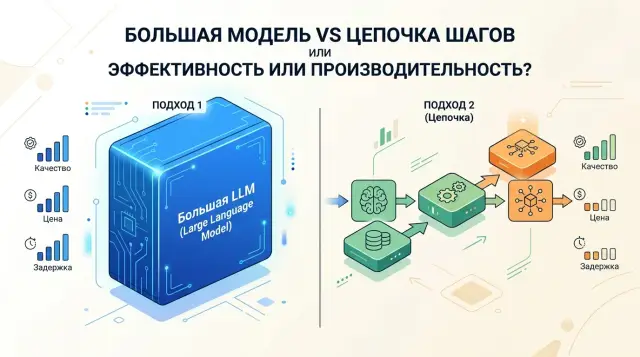
A chain of models or one strong model: which works better where
We break down when a chain of models or one strong model gives the better result: comparing price, latency, quality, and the risk of unnecessary complexity.
chain of models or one strong modelLLM pipeline
8 min read
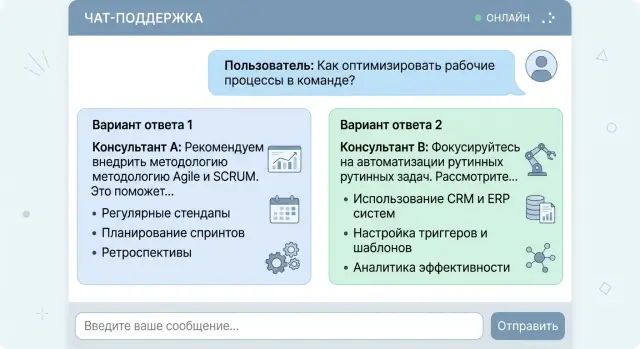
Two Answers to One Request: When Choice Beats a Single Answer
We break down when two answers to one prompt help users choose tone, format, or action faster, and when that approach only creates confusion.
two answers to one queryAI answer alternatives
8 min read
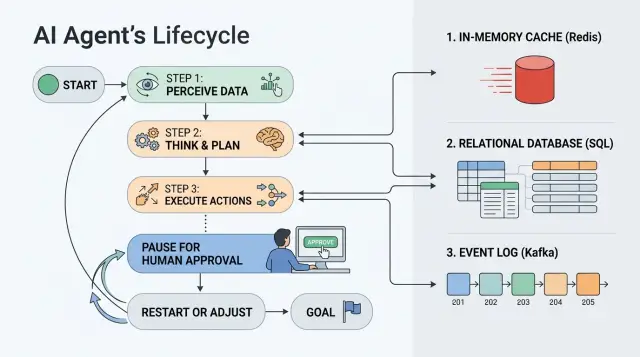
AI Agent State Storage: Redis, DB, or Event Log
How AI agent state is stored affects pauses, approvals, and restarts. We look at when to choose Redis, a database, or an event log.
AI agent state storageRedis for paused workflows

8 min read
How to avoid overpaying for long context: what to cut and what to keep in memory
How to avoid overpaying for long context: we break down chat history trimming, compression, and dialog memory choices to preserve meaning and reduce tokens.
how to avoid overpaying for long contextcontext compression
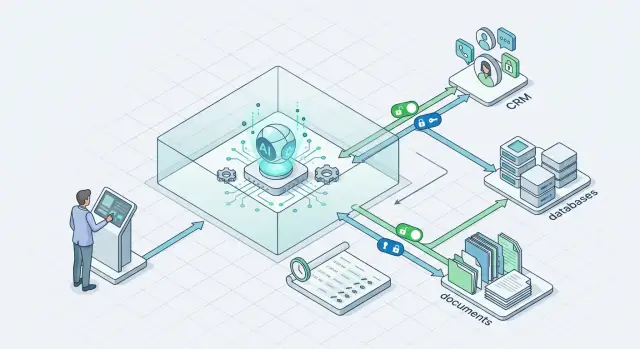
8 min read
Sandbox for AI Tools: Write Access Without Extra Permissions
A sandbox for AI tools helps isolate writes in CRM, databases, and documents so the agent changes only the needed fields and does not get extra access.
sandbox for AI toolsAI agent write permissions

8 min read
Token Spike: How to Find the Cause Before the Bill After Release
A token spike after a release is easy to miss. Learn how to check prompt length, call frequency, retries, and strange post-release behavior before the bill arrives.
token spikeprompt length
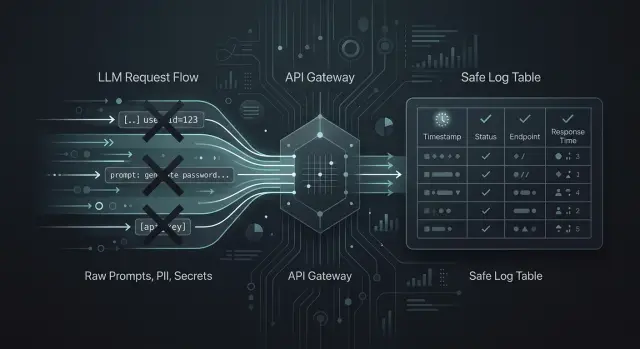
8 min read
What to Log in an LLM App Without Unnecessary Risk
Learn what to log in an LLM app to debug failures, track incidents, and pass audits without storing prompts, PII, or extra data.
what to log in an LLM appminimal LLM log set
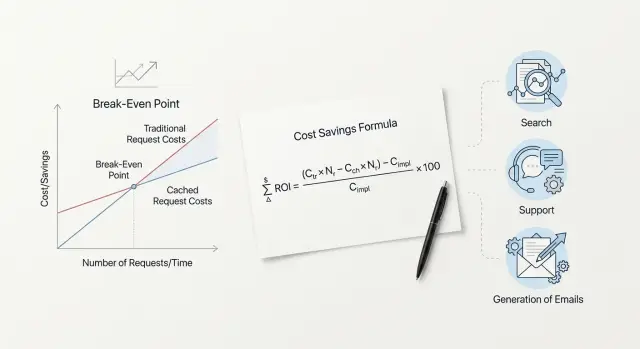
8 min read
Query Cache Payback: Formula and Calculation Examples
Query cache payback is easy to calculate with a simple formula. We show the repeat threshold for search, support, and email generation.
query cache paybackquery caching formula
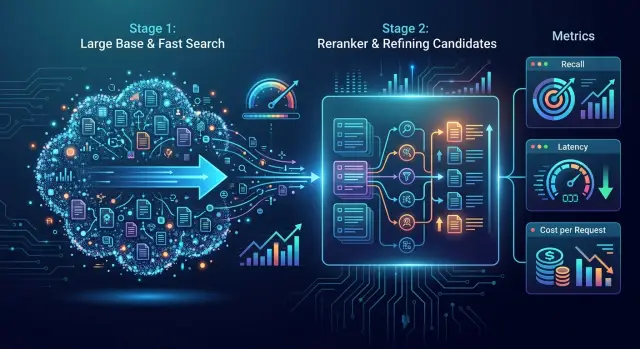
8 min read
When a reranker pays off: recall, latency, and cost
Let’s look at when a reranker pays off in search: how to measure recall gains, the impact on latency, request cost, and when the extra step is not worth it.
when a reranker pays offreranker in search
8 min read
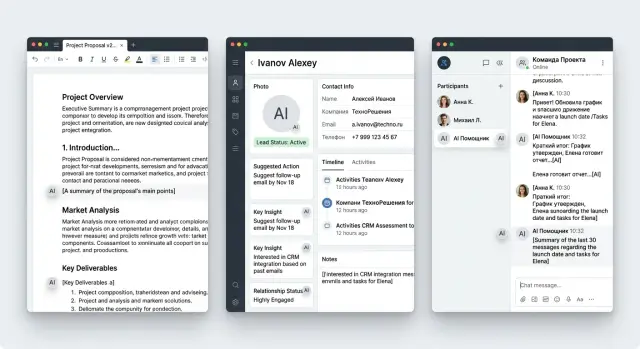
AI Content Labeling in the Interface: Editor, CRM, Chat
Show how AI content labeling works in the interface and where to place the label in an editor, CRM, and chat so it helps instead of getting in the way.
AI content labeling in the interfaceAI label in the editor
8 min read
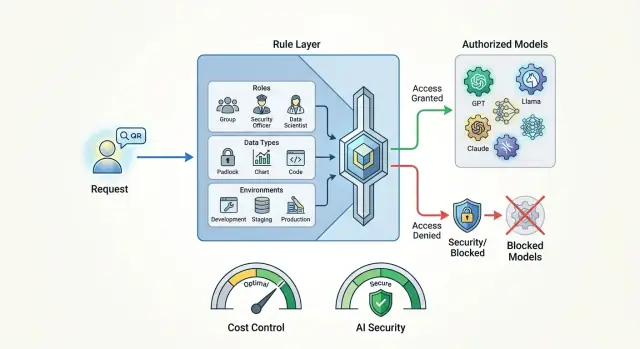
Model access policies for single requests without unnecessary risks
Model access policies help set rules by role, data, and environment so you can control costs and keep sensitive data from leaving your systems.
model access policiesrestricting expensive models

8 min read
Deduplicating Repeat Requests in Chats and Forms Without Hurting UX
Deduplicating repeat requests helps remove double form submissions and duplicate chat messages, preserve UX, and avoid losing data during network and queue failures.
duplicate request deduplicationdouble form submissions
8 min read
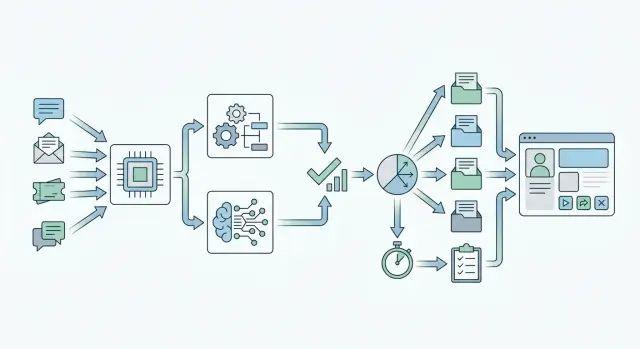
Customer Complaint Classification: How to Combine Rules and LLMs
Customer complaint classification helps assign queues and SLAs faster when you combine simple rules, LLMs, confidence checks, and manual review.
customer complaint classificationrequest routing

8 min read
LLM Service Load Testing: Peak, Queues, Bottlenecks
Load testing an LLM service helps you find where queues grow, what breaks under peak load, and where the bottleneck sits in the API, network, and retries.
LLM service load testingqueues in LLM API
8 min read
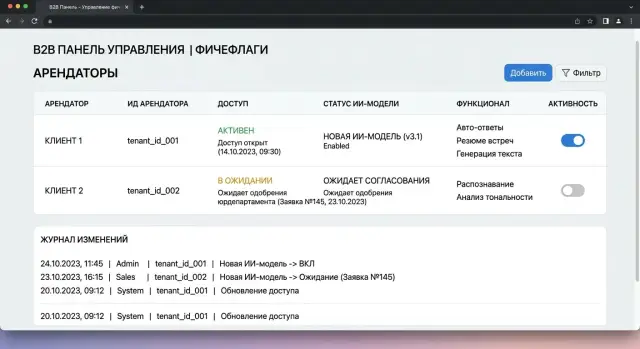
Tenant-based feature flags for AI features: launch plan
Feature flags for AI features let you enable new models by tenant without a global release: launch plan, checks, failures, and an example.
feature flags for AI featurestenant-based model rollout

8 min read
Prompt Library for the Team: Cards, Tags, Owners
A prompt library helps a team keep working templates in one place: cards, tags, owners, examples, and an update routine.
prompt libraryprompt card
8 min read
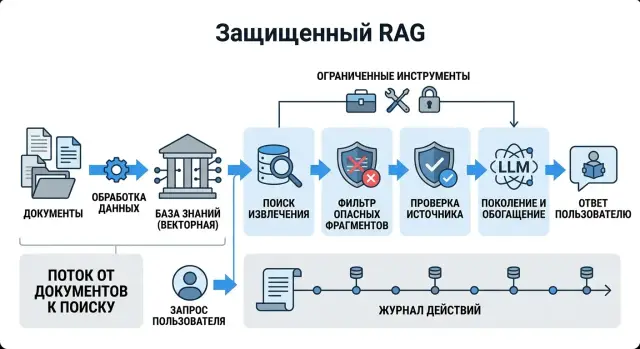
Protecting RAG from Prompt Injection Through Documents in Practice
Protect RAG from prompt injections: clean documents, limit tools, verify sources, and reduce the risk of false answers.
RAG prompt injection defenseRAG security

8 min read
Enriching Product Listings with Small Models Without Extra Cost
Product listing enrichment can be handled by a small local model when you need attributes, tags, and short descriptions without complex generation.
product listing enrichmentlocal model for attributes

8 min read
Open-Weight Model: Choosing for the Internal Stack
How to choose an internal LLM: compare open-weight models by size, languages, response format, and GPU needs on real-world tasks.
open-weight modelinternal LLM
8 min read
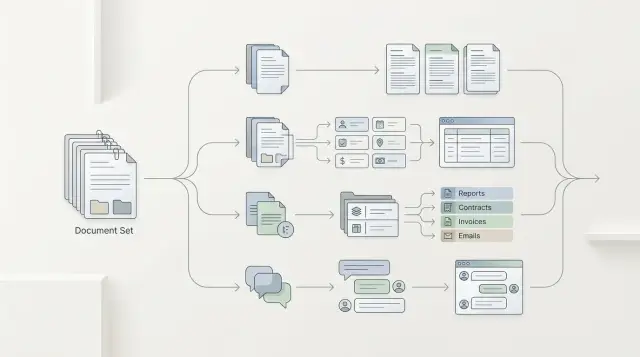
Choosing the Right Model Type for a Task on a Single Domain Dataset
Choosing the right model type is easier when you run one domain dataset through summarization, extraction, classification, and chat, then compare the metrics.
choosing the right model type for a tasksummarization vs extraction comparison
8 min read
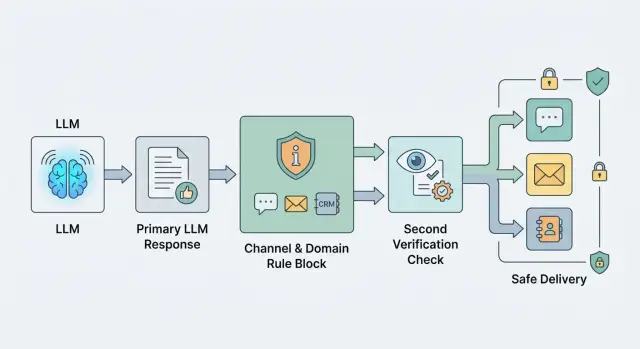
Moderating Outgoing Replies: Where to Place Filters and a Second Model
Outgoing response moderation helps prevent risky text from slipping into chat, email, and CRM. We will look at where to place rules, filters, and a second model call.
outgoing response moderationLLM filters
8 min read
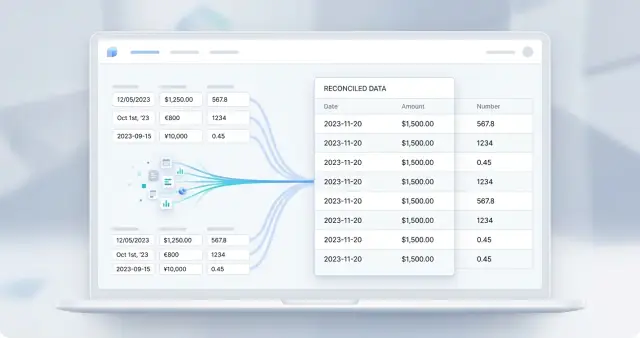
Normalizing Dates, Currencies, and Numbers After LLMs Without Confusion
Normalizing dates, currencies, and numbers helps bring LLM outputs into one format by removing inconsistency in dates, amounts, separators, and currency codes.
date, currency, and number normalizationdate formatting after LLMs
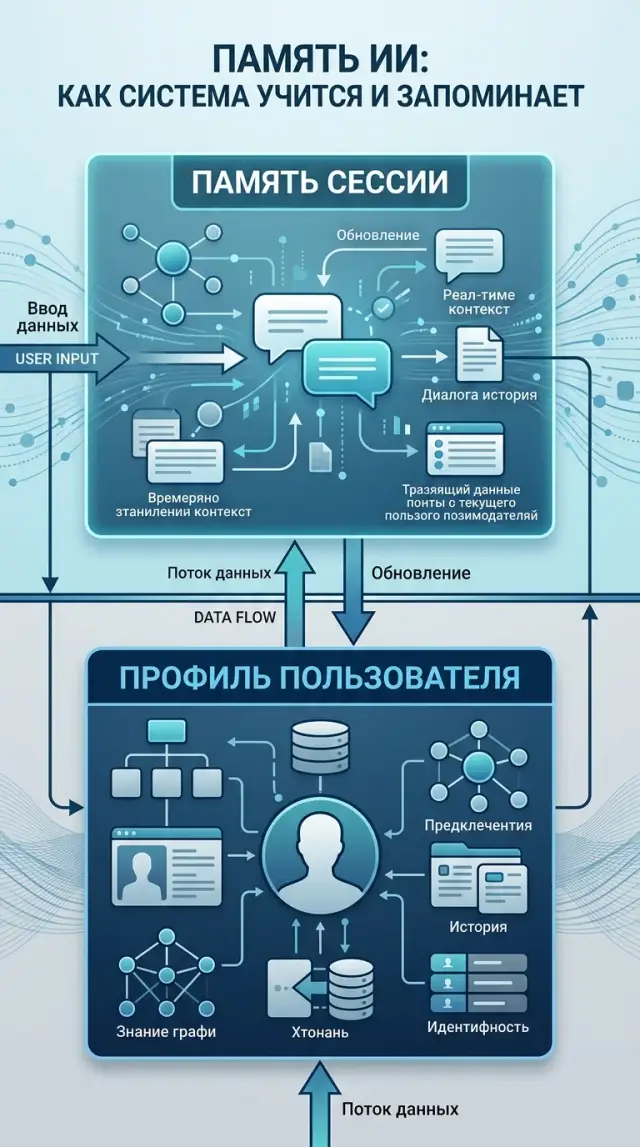
8 min read
Session Context and User Profile: How to Separate Them
Session context and user profile should be stored separately so the assistant does not mix one-time details, preferences, history, and personal data.
session context and user profileassistant memory
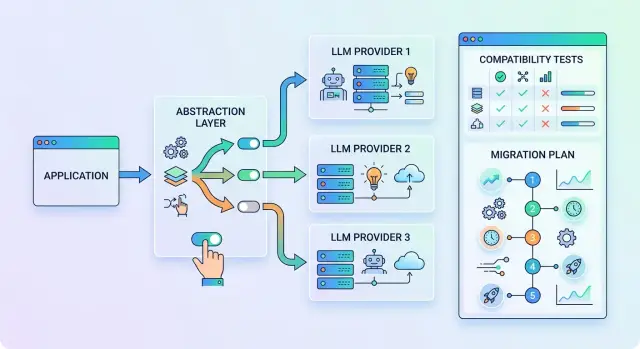
6 min read
Vendor lock-in: leaving without refactoring
Learn how to reduce dependence on a single vendor with an abstraction layer, compatibility tests, and step-by-step migration without a major refactor.
single-vendor lock-inLLM abstraction layer

8 min read
LLM Context Trimming Without Losing Meaning: Windows and Summaries
LLM context trimming helps keep a conversation within the token limit. We’ll cover context windows, priorities, conversation summaries, and quick checks.
LLM context trimmingcontext window
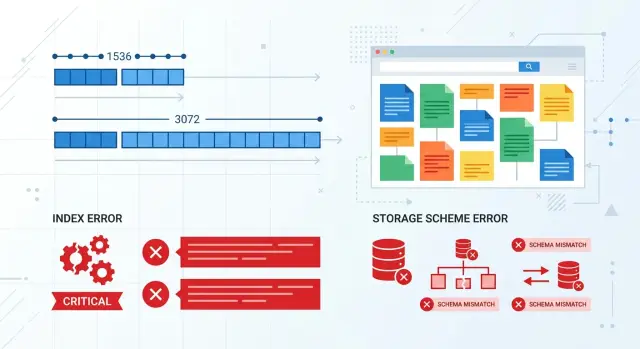
8 min read
Embedding Dimensionality: Where Search Breaks and Code Breaks
Embedding dimensionality affects search, indexes, and storage schemas. We show where code breaks, where quality drops, and how to migrate safely.
embedding dimensionalityvector search

8 min read
Domain Search Glossary: Often More Useful Than the Model
A domain search glossary helps the system understand company terms, synonyms, and codes. Often it brings more accuracy than switching models.
domain search glossarycorporate terminology dictionary
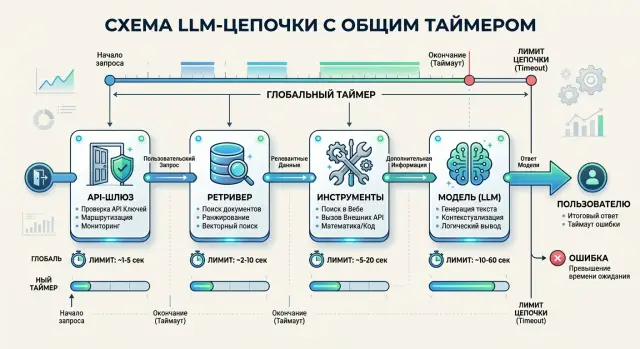
8 min read
Timeouts in an LLM Chain: How to Split the Time Budget
Timeouts in an LLM chain affect the answer just as much as model choice. We’ll show how to split a shared SLA between the gateway, search, tools, and the model.
LLM chain timeoutsLLM latency budget

8 min read
LLM Cost in Tenge: How to Build an Annual Budget
We show how to calculate the cost of LLMs in tenge for a year: tokens, exchange rates, traffic spikes, a test buffer, and a clear budget for the team.
LLM cost in tengeannual LLM budget
8 min read
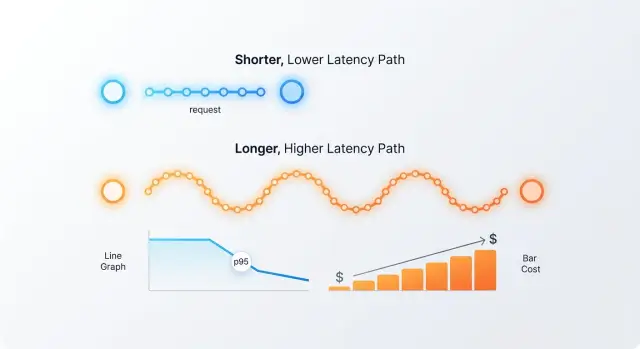
Hedged Requests to Two Models: When p95 Drops
Hedged requests to two models can remove rare slow responses, but sometimes they only double costs. Let’s break down thresholds, metrics, and mistakes.
hedged requests to two modelsreducing p95
8 min read
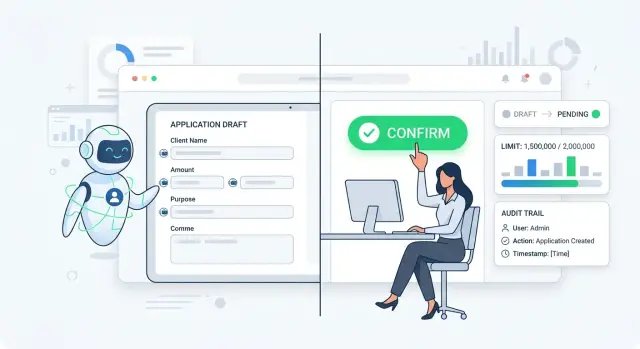
Draft and Action in the AI Workflow: How to Set a Barrier
Draft and action in the AI workflow help prevent a model from immediately changing a ticket status, limit, or record. Let’s break down the rule, steps, and checks.
draft and action in the AI workflowseparating draft from action
7 min read
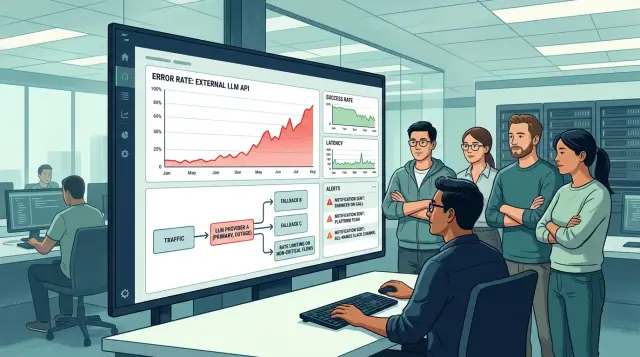
External LLM provider outage: a day-of action plan
External LLM provider outage: a step-by-step day-of guide for switching routing, adding limits, simplifying features, and coordinating teams.
external LLM provider outagemodel routing
8 min read
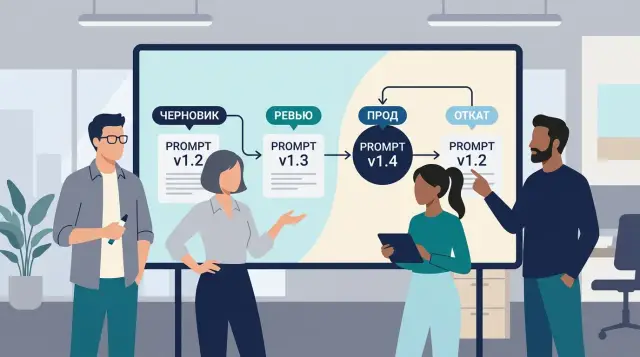
Who Can Change Prompts in Production: A Practical Framework
Who should be allowed to change prompts in production? Let’s break down roles, review, change logs, and rollback so the team does not rely on private agreements.
who can change prompts in productionprompt ownership

8 min read
Judge Model for Auto-Evaluation: Where to Trust and Where to Check
Judge models for auto-evaluation help you check answers quickly, but not everywhere. Here is how to use a rubric, manual sampling, and signs of systematic errors.
judge model for auto-evaluationLLM evaluation rubric

8 min read
Pre-release evaluation pipeline: from golden set to regressions
A pre-release evaluation pipeline helps catch regressions before launch: how to build a golden set, choose metrics, and create a report people can read in 10 minutes.
pre-release evaluation pipelinegolden set for LLM